Second Skin Tattoo Ideas
Browse 14 AI-generated Second Skin Tattoo designs made with Tattoo Ideas AI. Each one lists the prompt, style and color mode used to create it, so you can adapt the idea for your own tattoo.
Create your own design with AISecond Skin Tattoo Designs
Showing 14 of 14 designs
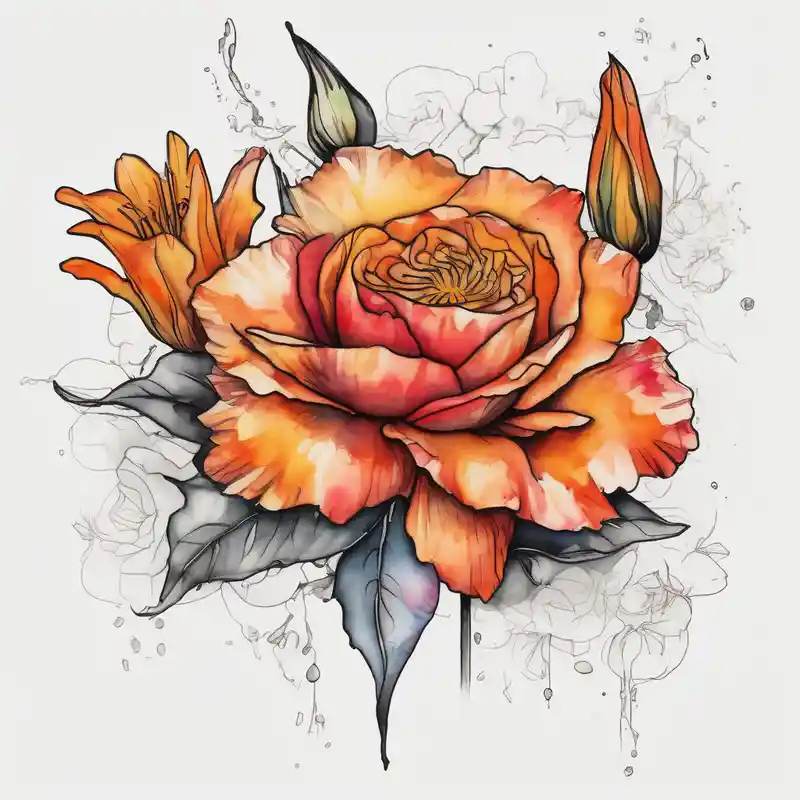
a colorful, vibrant, watercolor tattoo with one red rose, one orange lily, one gold marigold, and one orange cosmos flower and with splashes of color second skin tattoo
Old SchoolVibrant color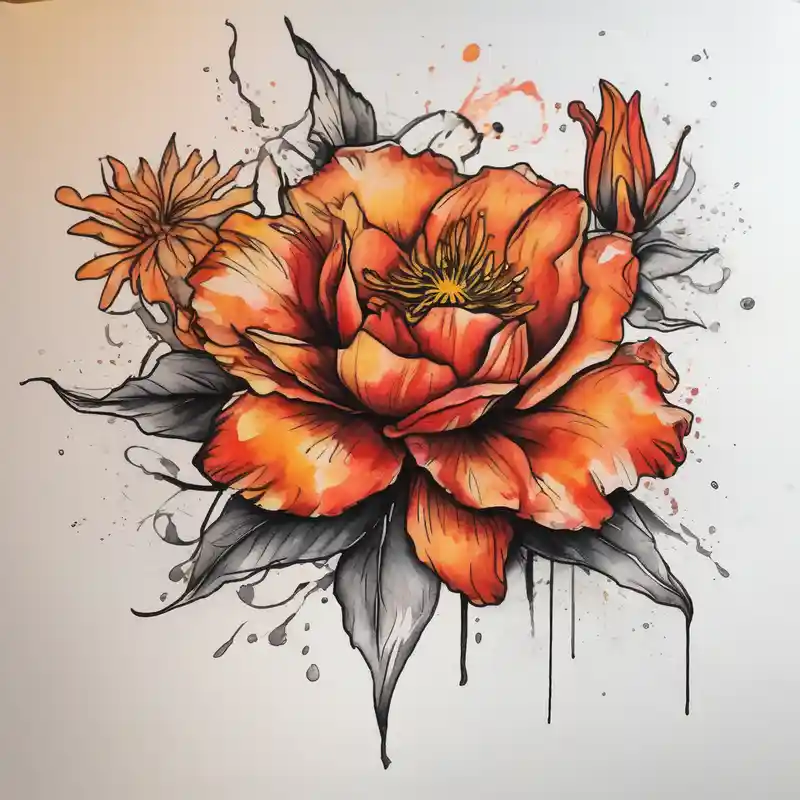 SketchVibrant color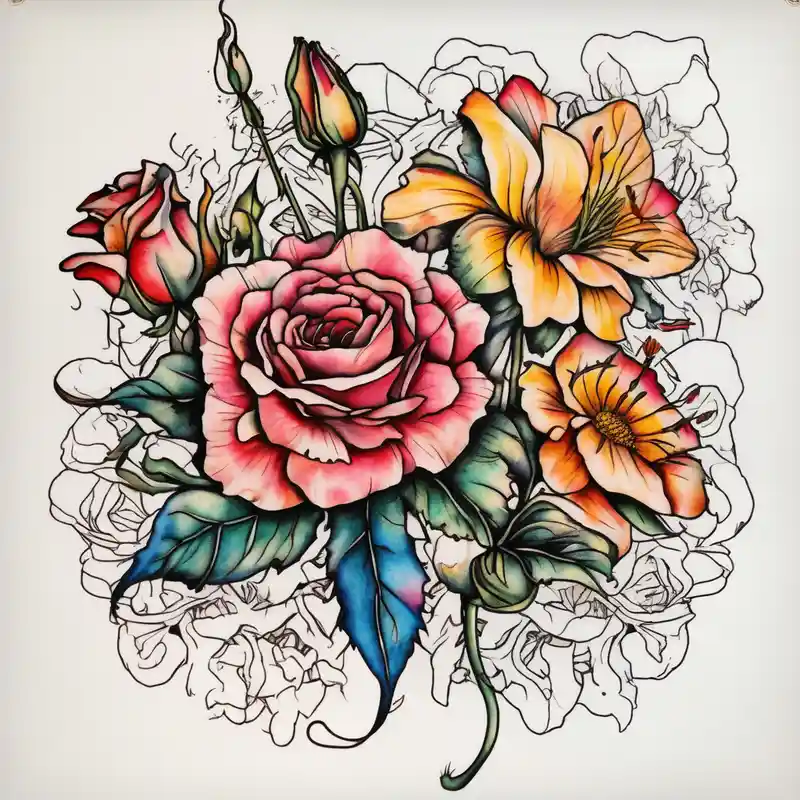
a vibrant, watercolor tattoo with one rose, one lily, one marigold, and one cosmos flower second skin tattoo
Old SchoolBlack and white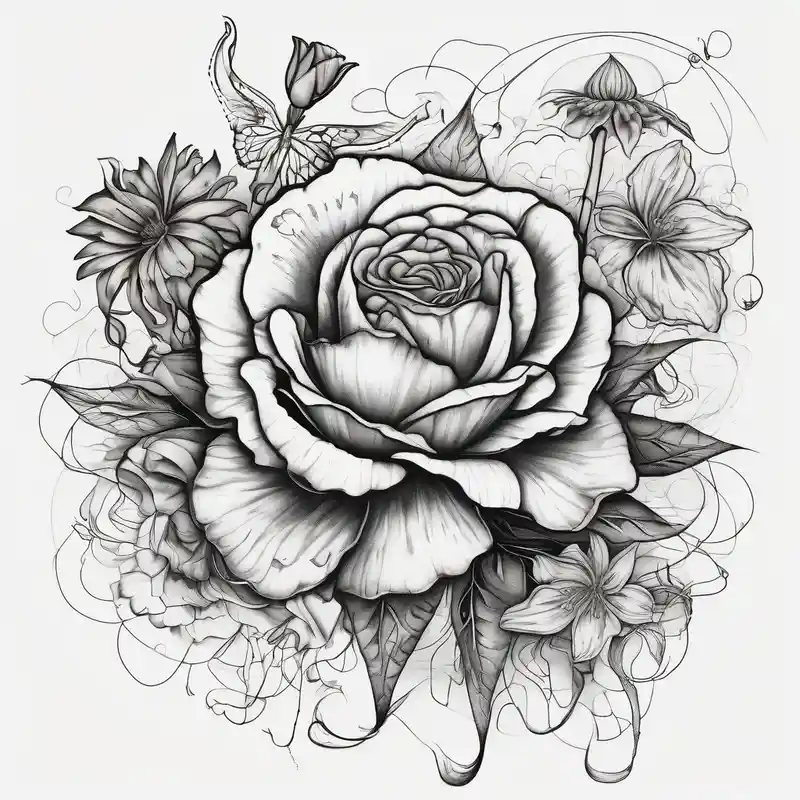 SurrealBlack and white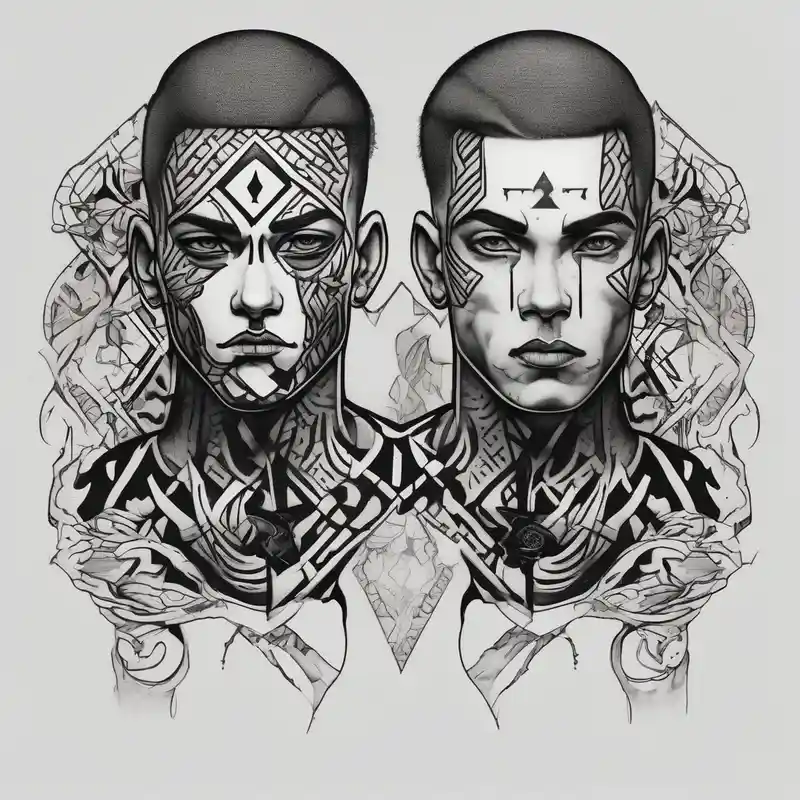
a honour tattoo for my two boys second skin tattoo
BlackworkVibrant color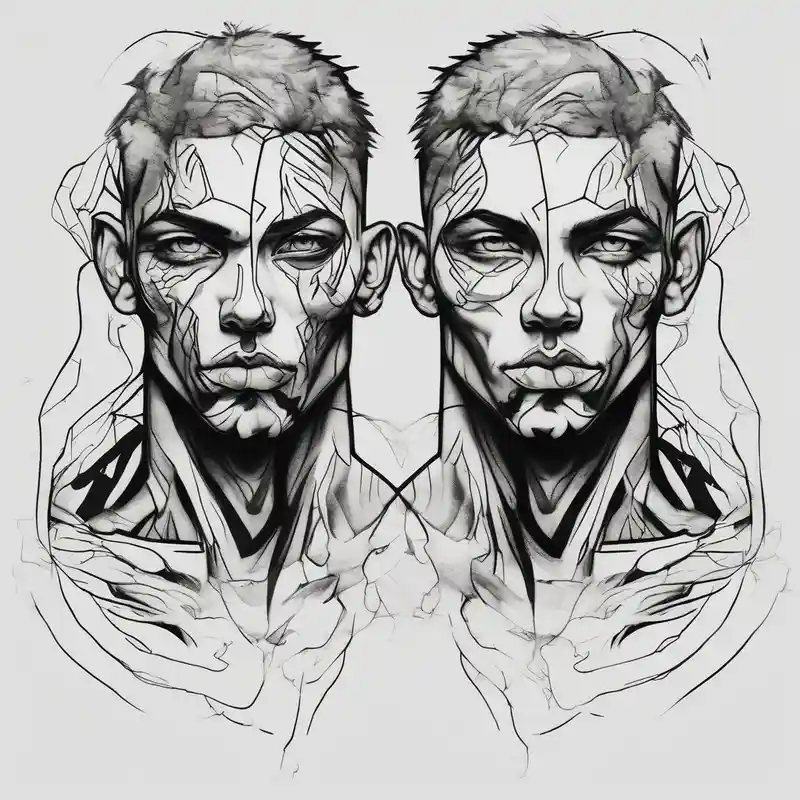 SketchBlack and white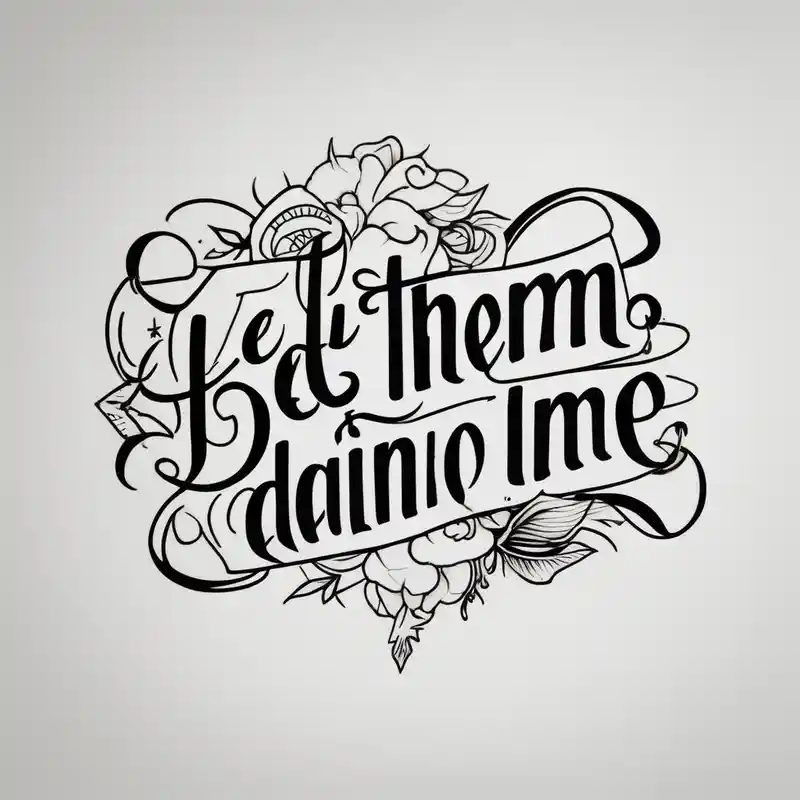
Fine line dainty cursive tattoo with the saying “let them & let me” second skin tattoo
Old SchoolBlack and white GeometricBlack and white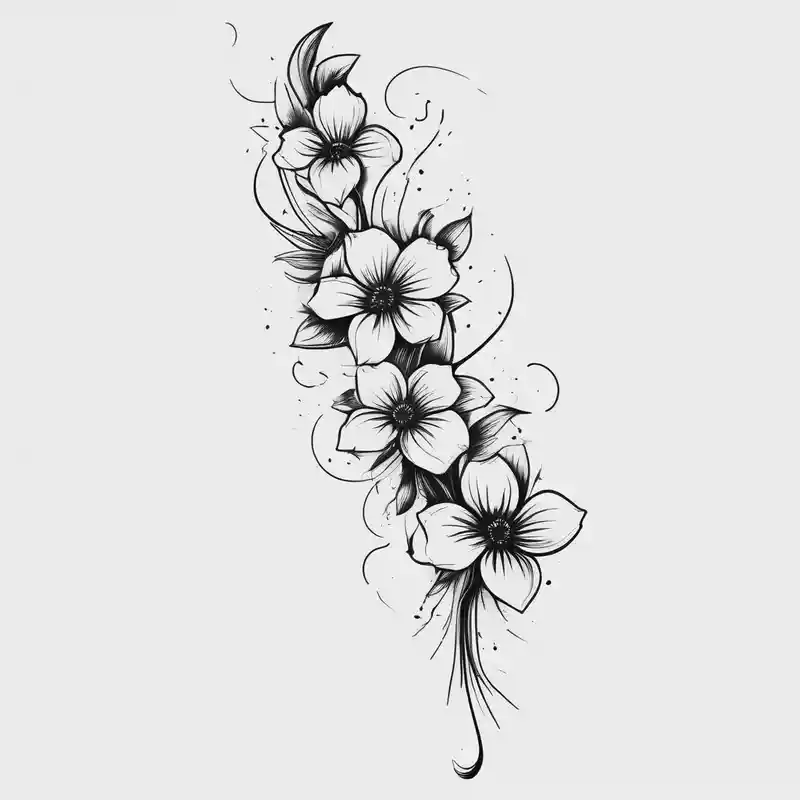
a bunch of flowers going down spine tattoo second skin tattoo
MinimalistVibrant color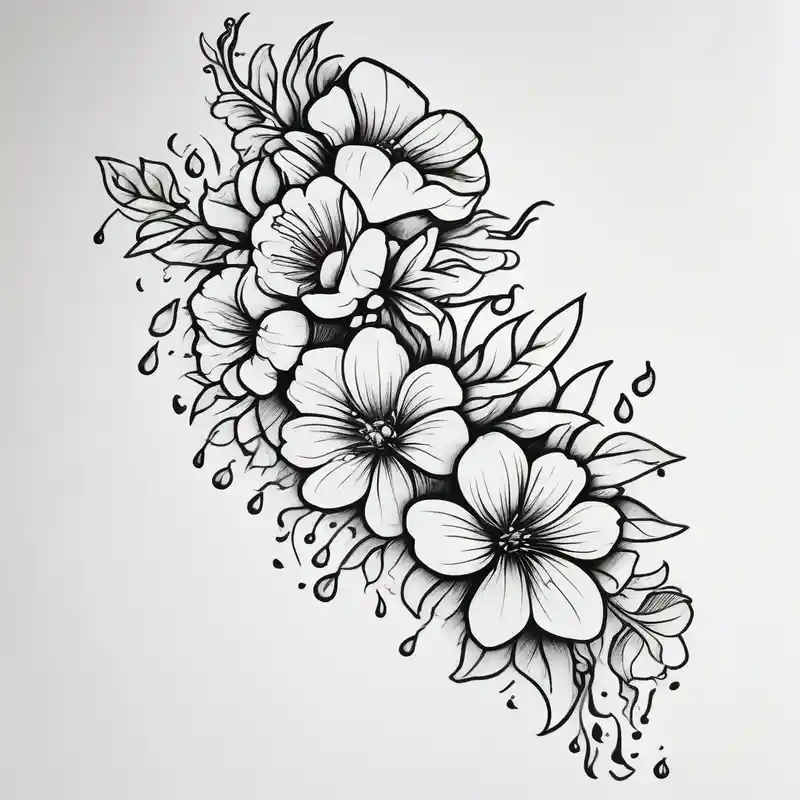 CartoonVibrant color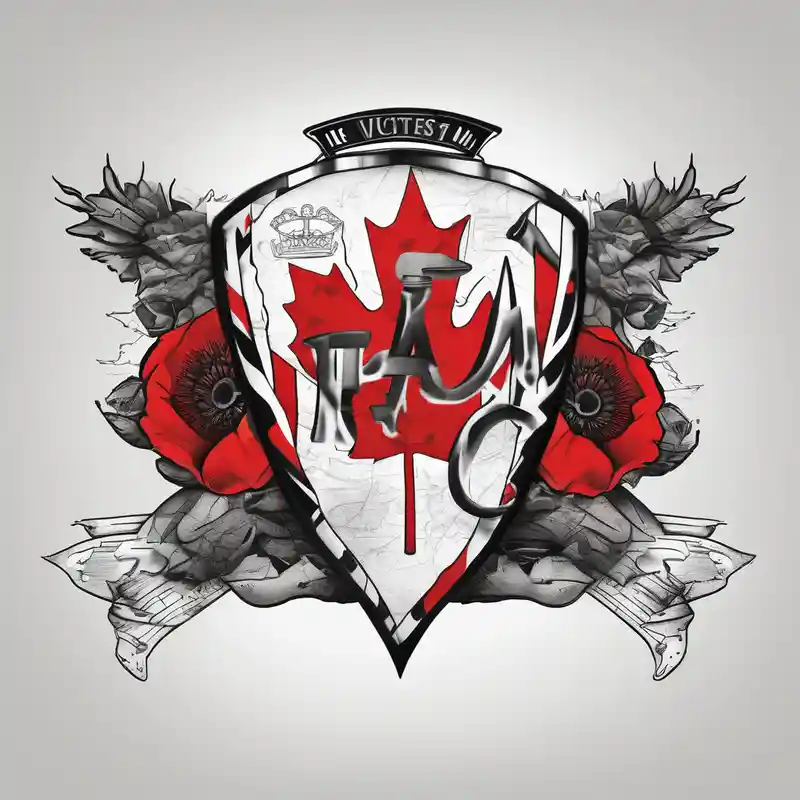
I AM Invictus Games tattoo with Canada and UK flag. Include poppies and RAF logo second skin tattoo
Black and WhiteBlack and white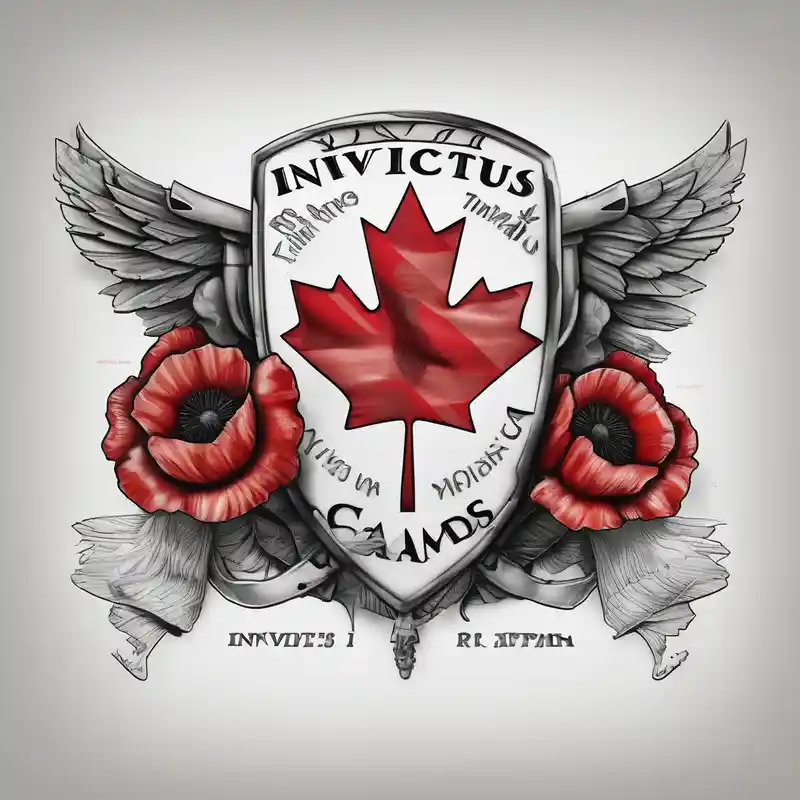 RealisticBlack and white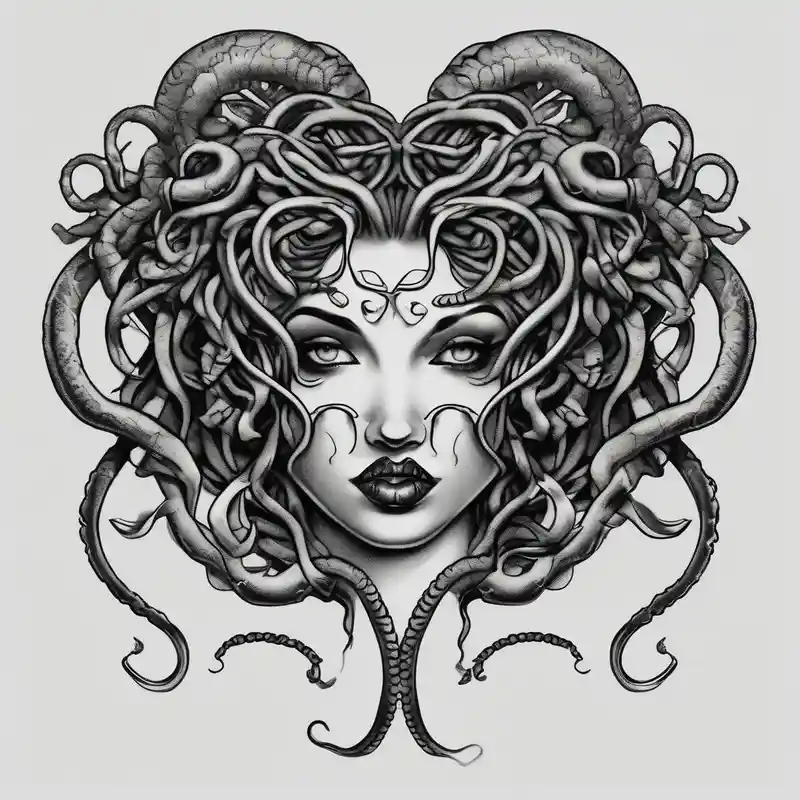
Realistic beautiful Medusa tattoo biting a heart second skin tattoo
BlackworkVibrant color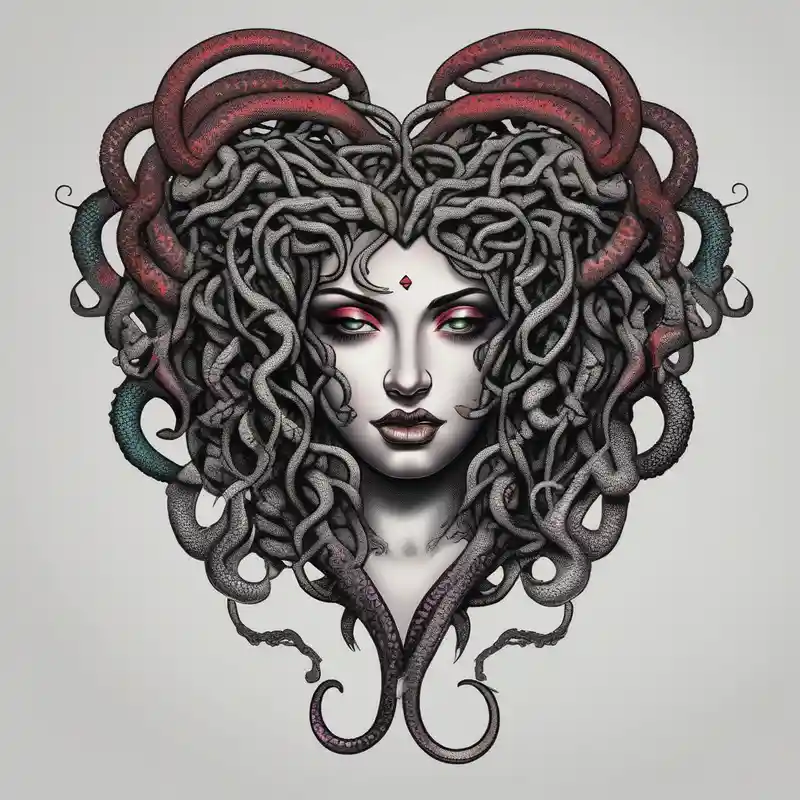 DotworkVibrant color
Second Skin Tattoo Guide
The concept of Second Skin tattoos has gained popularity due to its effectiveness in the healing process of fresh tattoos. Second Skin is essentially a protective film that artists apply immediately after the tattoo session to shield the artwork from external irritants such as dirt, bacteria, and friction. Typically, the first layer of Second Skin is recommended to remain on the skin for a period of 24 to 48 hours post-application.
During this initial period, the tattoo undergoes its first stage of healing, characterized by oozing plasma, excess ink, and minor bleeding. This fluid release is a natural part of the healing process, and Second Skin effectively captures these fluids, ensuring that the tattoo remains protected while it begins to heal. If users observe fluid buildup under the Second Skin, this is normal and indicates that the protective layer is functioning as intended.
After the first 24 to 48 hours, it is crucial to remove the initial layer of Second Skin gently. Following this, the tattoo should be washed with lukewarm water and a mild, fragrance-free soap to remove any residual plasma or ink. A new piece of Second Skin can then be applied, which can stay on for up to six days, further safeguarding the tattoo in a controlled environment. The extended use of Second Skin minimizes the risk of scabbing and infection, promoting a smoother healing process.
Several factors can influence how long the Second Skin should stay on, including the size and location of the tattoo, individual skin type, and adherence to aftercare instructions. The healing process progresses through various stages: On Day 1, the tattoo begins adjusting to the skin, and redness and swelling may be visible. By Day 2, the tattoo may still show some swelling, while Day 3 often involves the release of fluids under the film, aiding in skin regeneration.
On Day 4, the tattoo appears drier with light scabbing, and by Day 5, a controlled scab formation occurs, indicating successful healing. It is vital to keep the Second Skin in place until this stage to ensure that the tattoo is protected from dirt and irritation. Overall, the Second Skin method has revolutionized tattoo aftercare, providing artists and clients with a reliable technique to promote optimal healing and preserve the integrity of the tattoo artwork.
Second Skin Tattoo Meanings
- Protection
- Healing
- Care
- Innovation
- Art preservation
Popular Second Skin Tattoo Styles
How the 14 public designs in this gallery break down by style.
- Old School3 designs · 21%
- Blackwork2 designs · 14%
- Sketch2 designs · 14%
- Black and White1 design · 7%
- Cartoon1 design · 7%
- Dotwork1 design · 7%
- Geometric1 design · 7%
- Minimalist1 design · 7%
Popular Color Choices
- Black and white7 designs · 50%
- Vibrant color7 designs · 50%
Second Skin Tattoo FAQ
How many Second Skin Tattoo designs are in this gallery?
This gallery currently contains 14 public Second Skin Tattoo designs made with the Tattoo Ideas AI generator, and all of them are shown on this page.
Which styles are most common for Second Skin Tattoo designs?
Of the 14 designs here, the most used styles are Old School (3), Blackwork (2) and Sketch (2). The most frequent color mode is Black and white (7 of 14).
Can I create my own Second Skin Tattoo design?
Yes. Open the AI tattoo generator, describe the design you have in mind (subject, extra elements, mood) and choose a style and a color mode. The prompts shown under each image in this gallery make a good starting point.
Can I use these Second Skin Tattoo designs for a real tattoo?
Browsing the gallery is free. Every design is an AI-generated concept meant for inspiration, not a finished stencil. Bring the ideas you like to a professional tattoo artist, who can adapt the line work, detail and size to your skin and placement before anything is inked.
How do I choose the size and placement of a Second Skin Tattoo design?
Match the size to the level of detail. The most common style in this gallery is Old School. Detailed styles such as realistic, Japanese or watercolor need room to stay legible as the tattoo ages, so they suit the forearm, upper arm, thigh or back. Minimalist and fine-line versions can stay small, for example on the wrist, ankle or behind the ear. Print the design at the size you want, hold it against the spot you are considering, and settle the final size and placement with your tattoo artist.